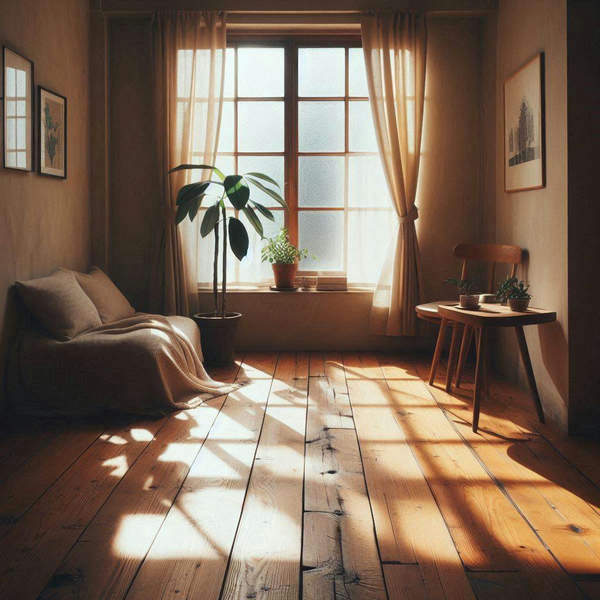
In the world of real estate, the allure of old floors goes beyond aesthetics, becoming a hidden treasure for investors. These aged surfaces tell stories of the past while offering potential financial rewards. Understanding why old floors can increase property value is crucial for homeowners and buyers. The historical significance and craftsmanship of older flooring materials often translate into substantial investment opportunities.
The Historical Appeal of Old Floors
Old floors often hold historical value that newer flooring cannot replicate. Crafted from materials like heart pine or old-growth oak, these floors embody a level of quality and durability that modern materials struggle to match. The distinct patterns and grains in these woods are not only visually appealing but are also indicative of their historical authenticity.
- Material Quality: Older floors, particularly those made from hardwoods, are renowned for their superior quality.
- Unique Aesthetic: The natural patina and character developed over decades or even centuries can significantly enhance a home’s charm.
- Preservation Value: Many buyers and investors see preserved original floors as a hallmark of authenticity and craftsmanship.
Technical Considerations for Inspecting Old Floors
When assessing old floors, professional inspectors focus on several key factors to determine their condition and potential value. Issues such as warping, moisture damage, or termite activity can impact both the aesthetic and structural integrity of the flooring.
- Moisture Assessment: Use of moisture meters to detect excess moisture, which can lead to warping and mold growth.
- Structural Stability: Checking for signs of sagging or unevenness that might suggest underlying structural issues.
- Pest Inspection: Look for evidence of termites or other pests that could compromise the flooring.
Engaging with a certified home inspection service ensures that all these aspects are thoroughly evaluated, providing essential insights into the true value of historic flooring.
Preserving and Enhancing Floor Value
Preservation techniques play a crucial role in maintaining and enhancing the value of old floors. Methods such as gentle sanding and refinishing can rejuvenate the surface without compromising its historical integrity. Additionally, adhering to industry standards for preservation helps maintain the floor’s value over time.
In conclusion, while the allure of old floors is undeniable, their true worth is best evaluated through professional inspection services. Such expertise ensures that the floors’ historical and monetary value is accurately assessed, positioning them as a wise investment choice. For homeowners and buyers, engaging professional home inspection services is essential for making informed decisions about property investments.